

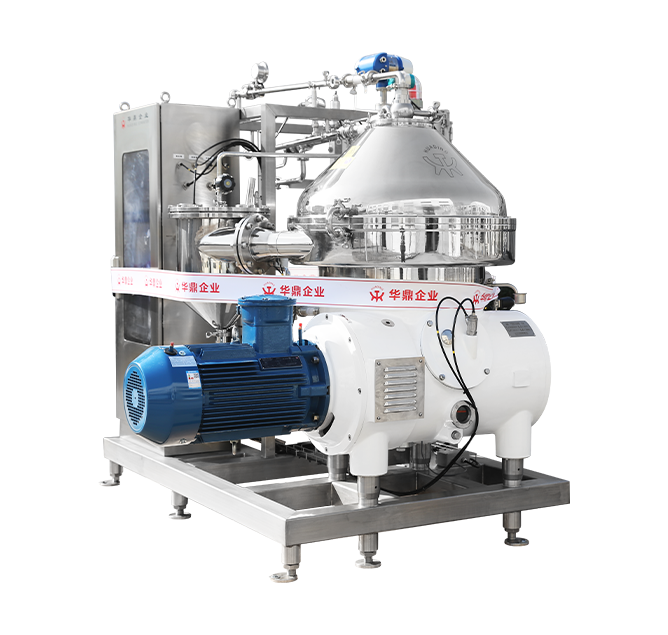
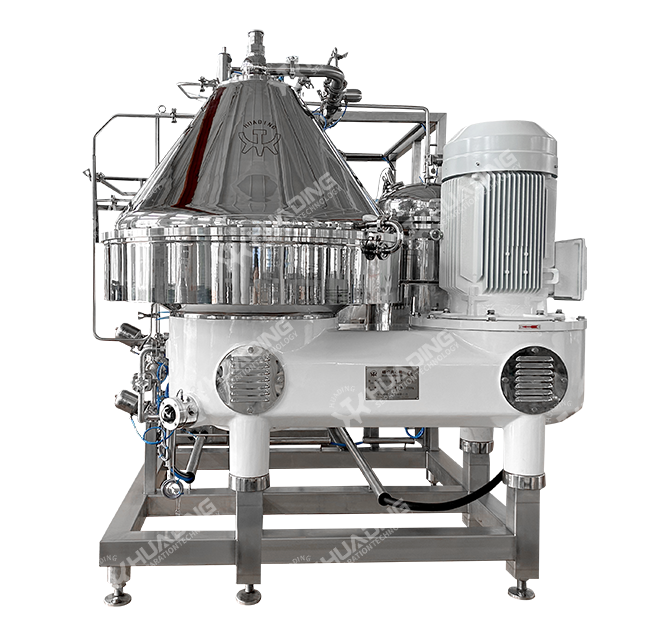
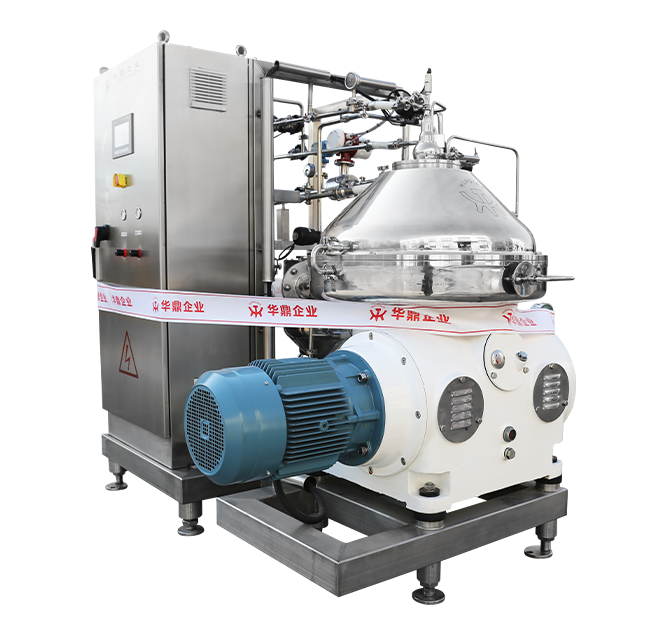
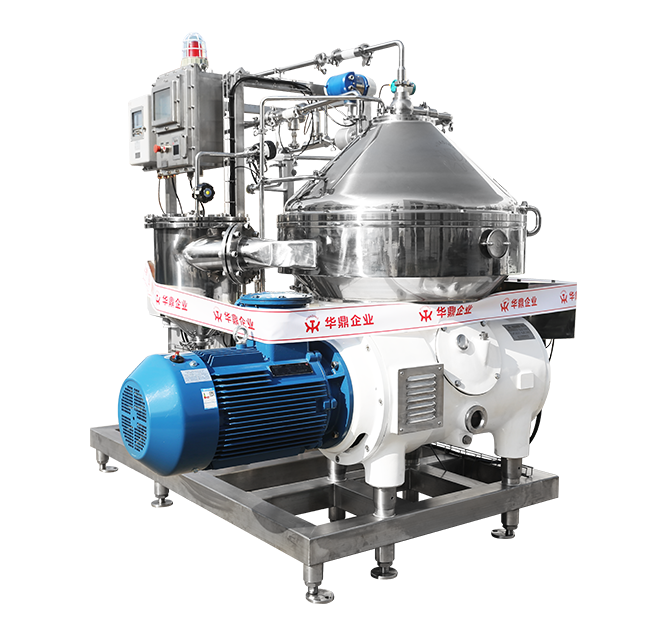
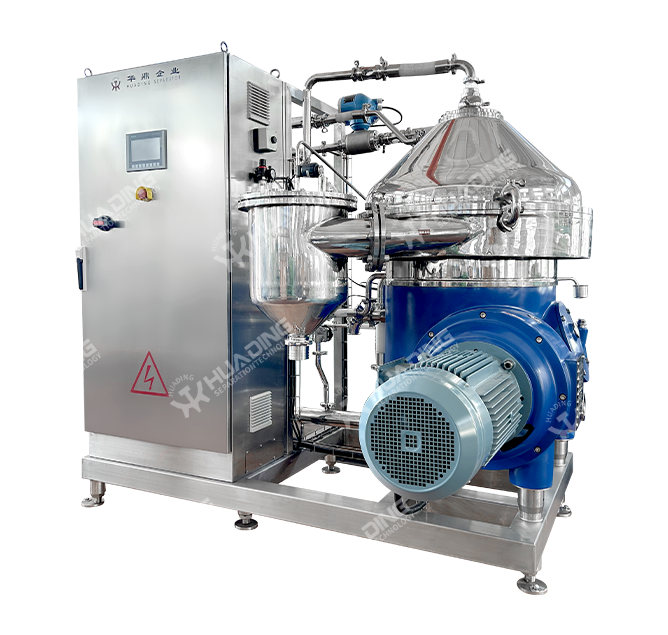
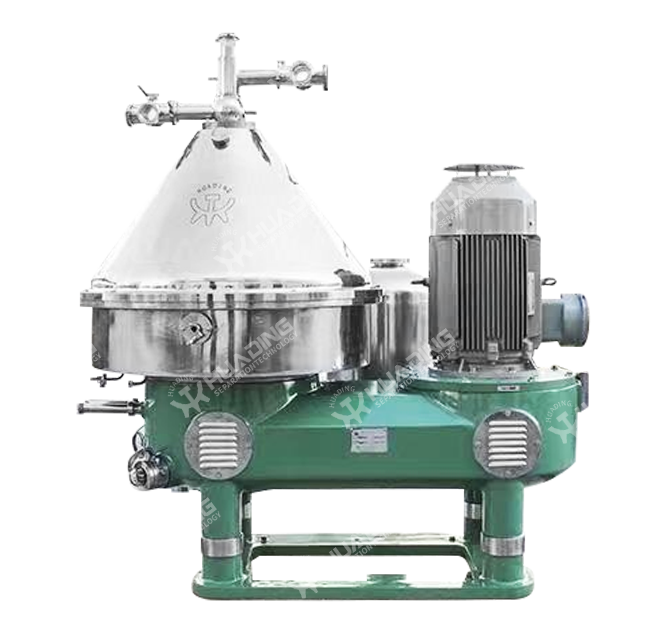
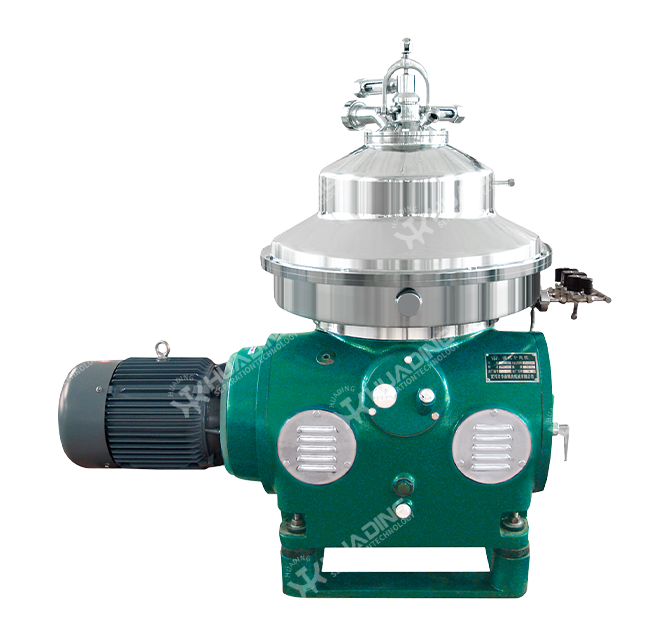
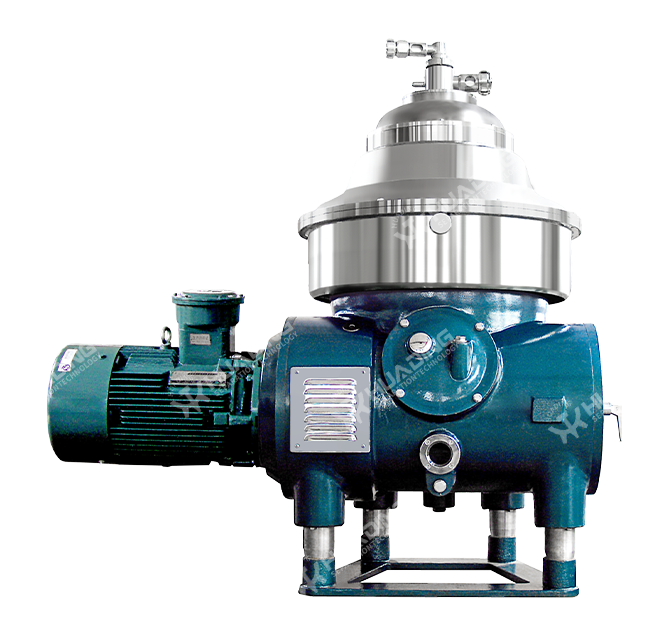
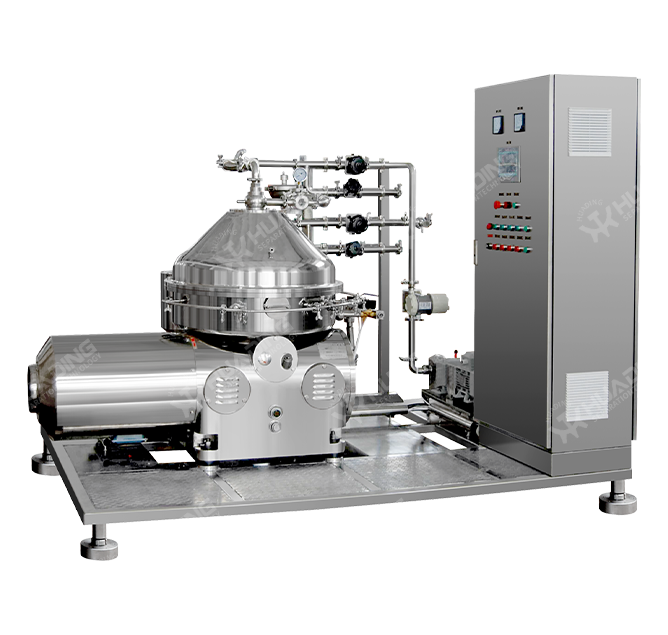
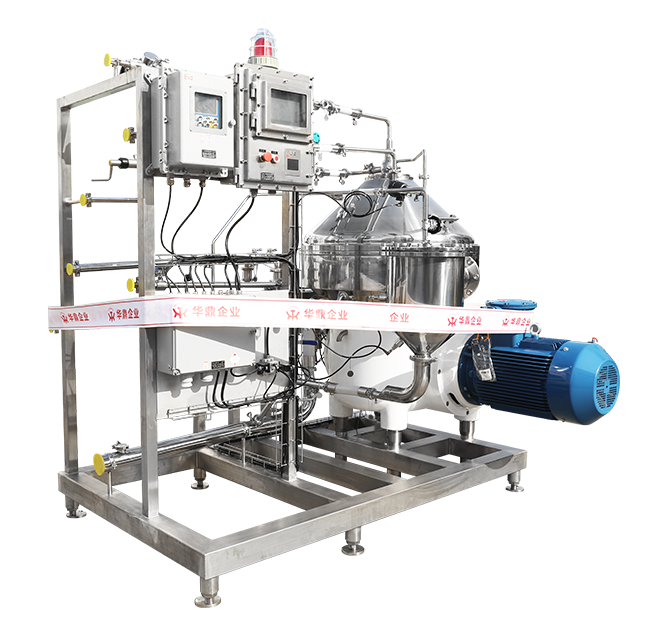
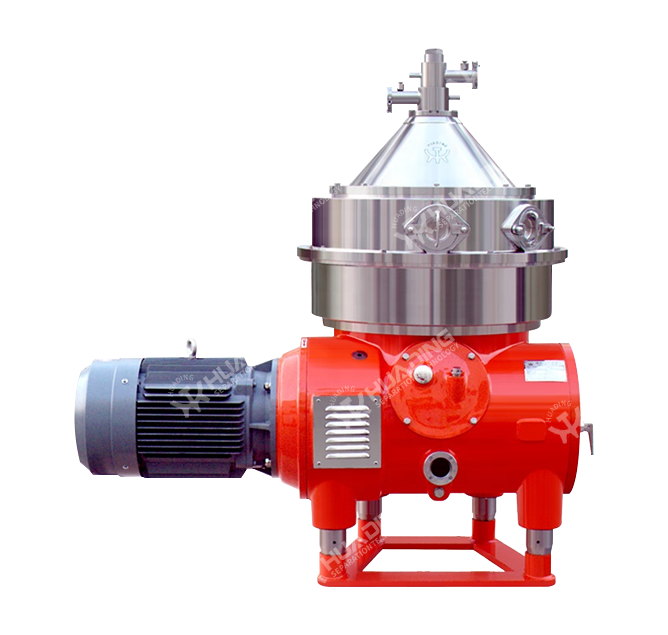
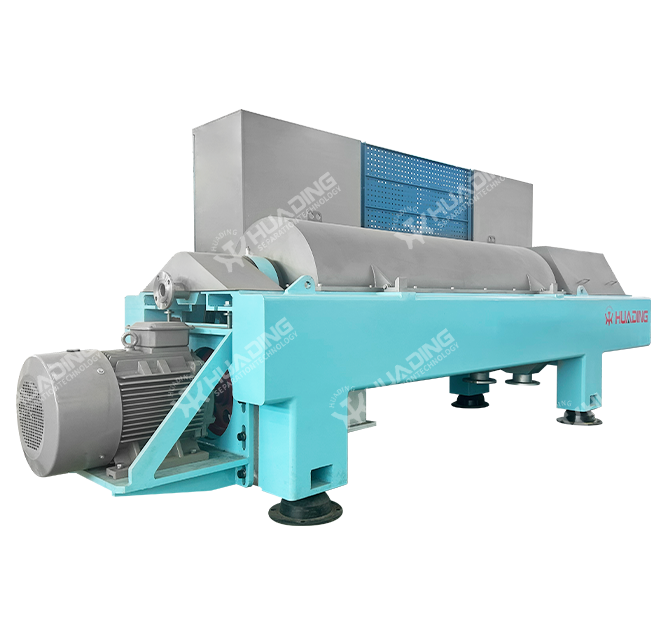
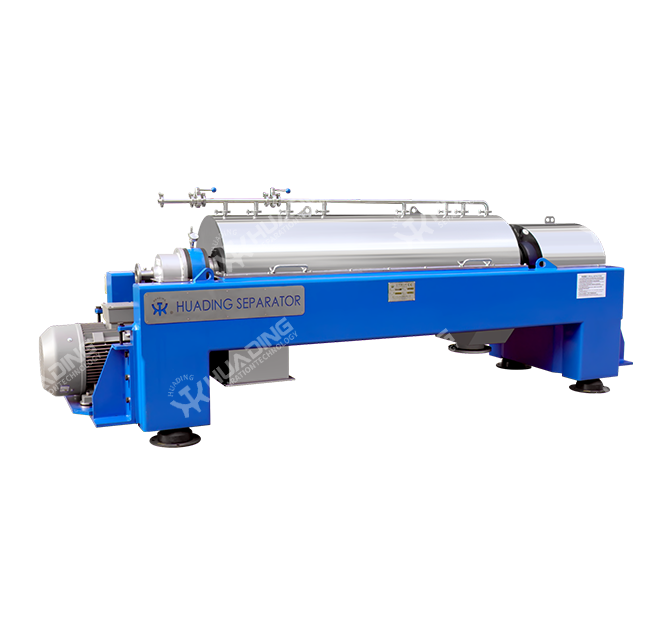
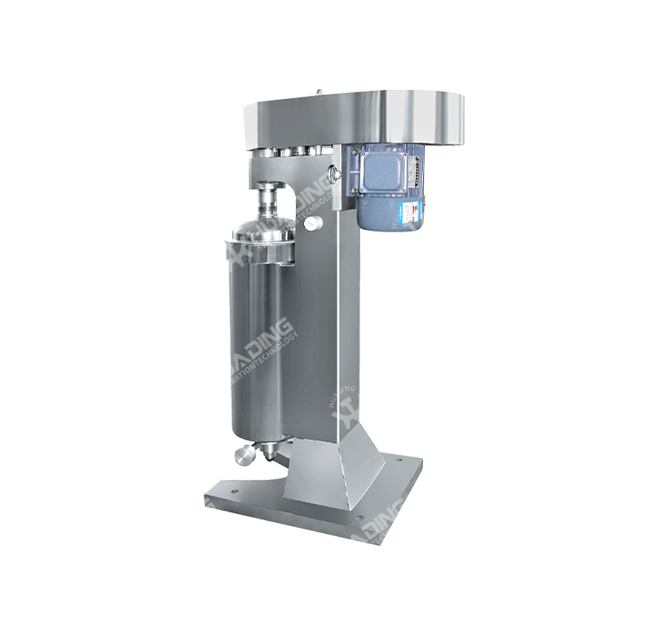
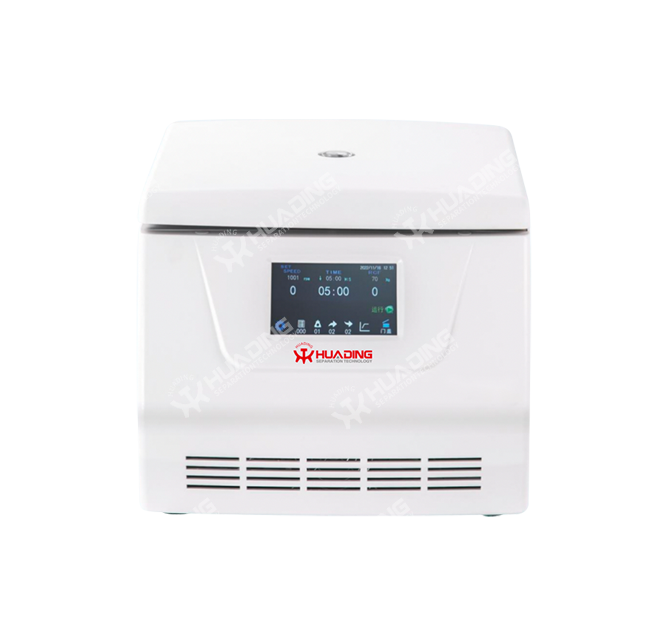
キッチン用途のデカンタ型遠心分離機
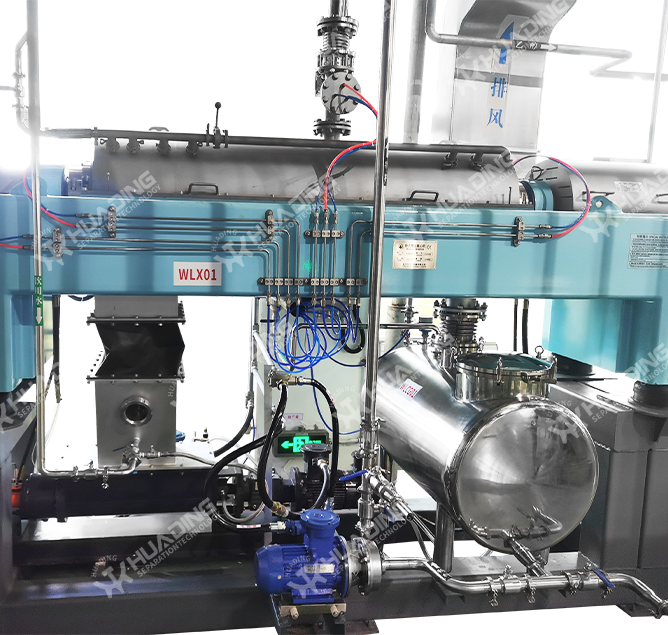
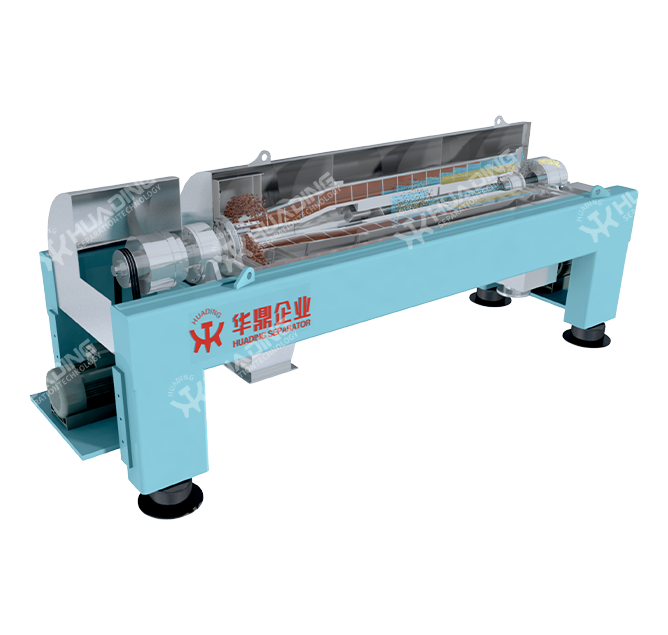
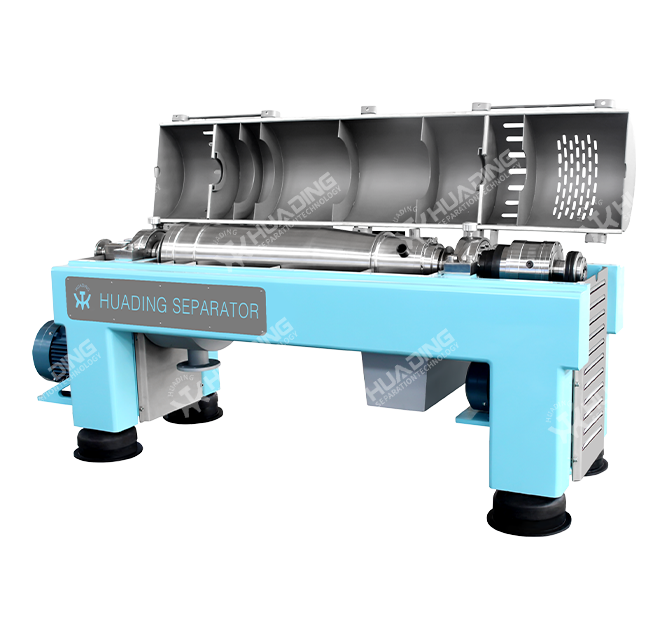
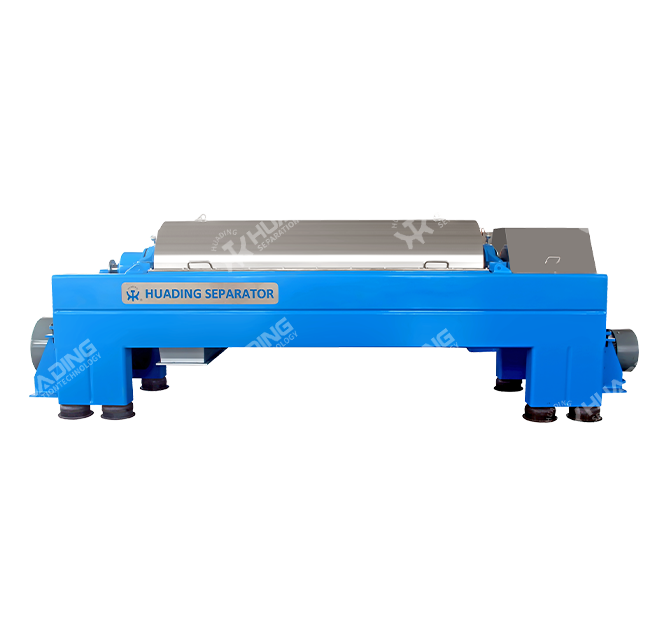
中国の遠心分離分野で満足のいく企業として、華頂のレストラン廃棄物デカンタ遠心分離機は三相分離技術と高い耐摩耗性設計に基づいており、レス...
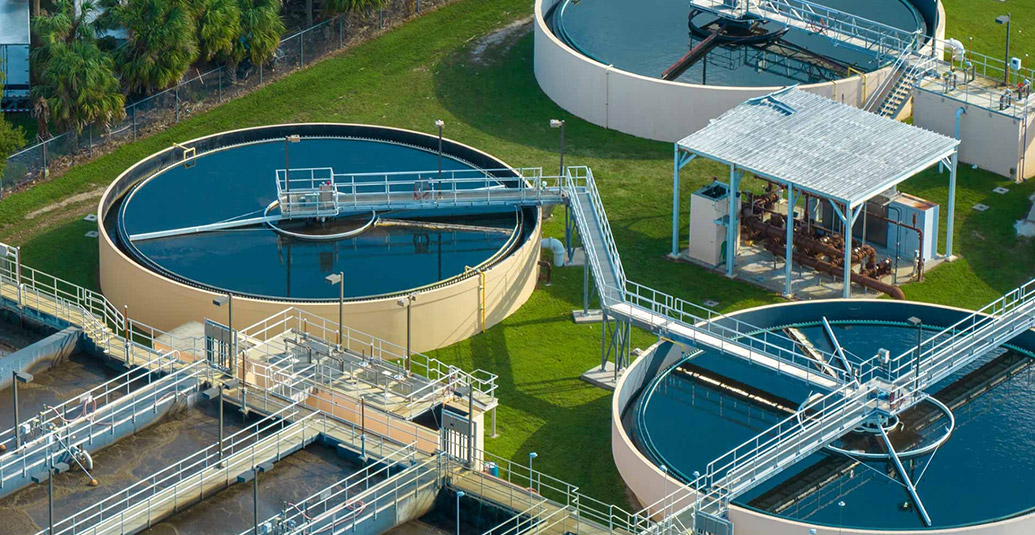
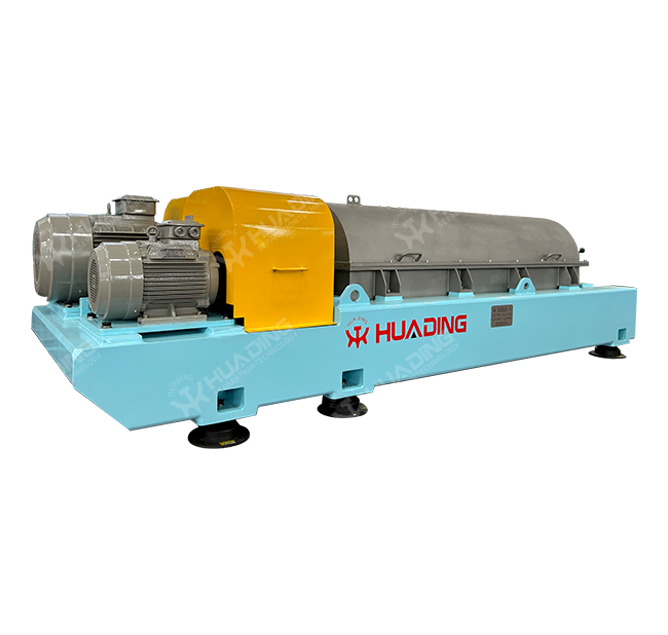

固相粒径範囲0.005~15mm、濃度1~40%の懸濁液(油性汚泥、鉱山の尾鉱、生ごみの浸出液など)を処理できます。
三相分離 (液体-液体-固体) をサポートし、調整可能な液面バッフルを通じて成層効果を最適化し、通常は油性廃水における油-水-スラグの同期回収に使用されます。

ドラムの内壁はタングステンカーバイドコーティングまたは縦方向の滑り止めリブを採用し、スパイラルブレードの端には硬質合金(タングステンカーバイドガードなど)が嵌め込まれており、耐用年数が30%以上延長され、石英砂や金属片を含む鉱山廃水に適しています。
化学有害廃棄物の腐食性媒体(硫酸塩、ハロゲン化物など)に対しては、316Lステンレス鋼、チタン合金、ハステロイ材質のドラムを選択でき、耐食性が50%向上します。
可変周波数速度調整システム(0 ~ 4500 RPM 無段階調整)によりエネルギー消費量を 20% 削減し、油圧差動装置(最大トルク 12000N・m)により連続的かつ安定したスラグ排出を保証します。
統合された PLC 制御システムと振動監視モジュールにより、無人運転と障害時の自動アラーム停止を実現します
有害産業廃棄物の処理
LW450Xは、石油回収率95%以上で製油所スラッジを処理し、スラッジの含水率は85%から60%未満に低減され、年間処理能力は12万トンで、埋立コストを年間800万元節約します。
フッ素化学会社がハステロイ LW550HC を使用して HF 含有排水を処理し、装置寿命が 6 か月から 5 年に延長されました
鉱山および石材の廃水
LW650G は、浮遊物質除去率 98% 以上で珪砂尾鉱を処理し、輸送コストを 40% 削減します。
LW800 はコランダム粉末を含む廃水を処理し、1 台の機械で 80m3/h の処理能力を発揮し、スラッジを 50% 削減します。
有機廃棄物の資源利用
LW350G 遠心脱水により、有機物濃度が 20% から 40% に増加し、その後の嫌気発酵の効率を高めてバイオガスを生成します。
バイオエタノールプロジェクトでは、透明な液体の COD 除去率は 85% 以上で、湿った残留物の固形分は 35% に増加しました。
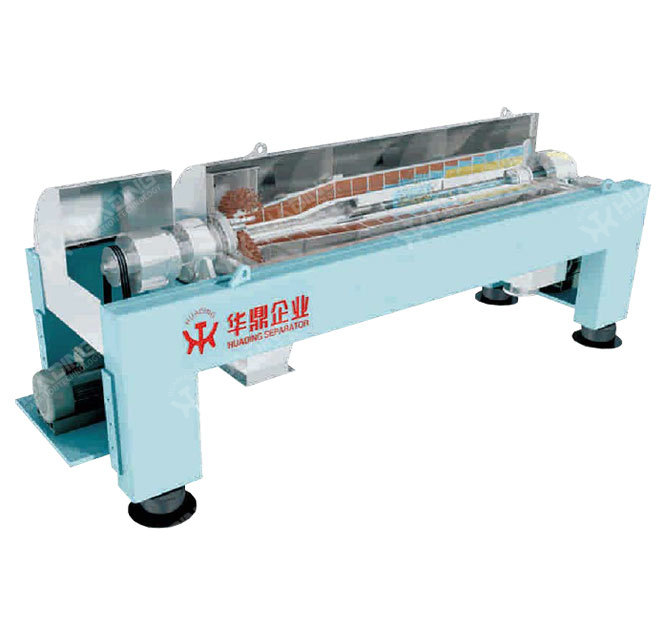
中国の遠心分離分野で満足のいく企業として、華頂のレストラン廃棄物デカンタ遠心分離機は三相分離技術と高い耐摩耗性設計に基づいており、レス...
中国の遠心分離技術における満足のいく企業として、華鼎のデカンタ型遠心分離機は、高効率の分離、インテリジェント制御、省エネ、環境保護を主...
石鹸とエマルジョン: バイオディーゼル精製における主要な障害 工業的なバイオディーゼル生産では、エステル交換反応によって純粋なバイオディーゼルが直接生成されるわけではありません。代わりに、出力は複数の不純物を含む複雑な混合物になります。これらの中で、石鹸と乳液は最も取り扱いが難しく、最終製品の品質に大きな影響を与えます。 エステル交換プロセス中に、アルコール、...
READ MORE生物学的製剤の品質に対するタンパク質凝集の脅威 バイオ医薬品の下流処理において、細胞培養の収穫段階は、タンパク質の安定性が破壊されやすい最も重要なポイントの 1 つです。によって生成される機械的せん断応力 バイオ医薬品用遠心分離機 高速回転中、局所的な温度上昇、泡の界面、pH の変動などすべてが、標的タンパク質の不可逆的なタンパク質凝集を...
READ MORE遠心分離機の不均衡とは何ですか? 医薬品製造環境では、安定した稼働が求められます。 バイオ医薬品用遠心分離機 これは、製品の品質と生産の安全性を確保するための中心的な要素の 1 つです。 遠心分離機の不均衡 高速回転時にロータの質量分布が不均一になり、回転軸を挟んで左右の遠心力が対称に打ち消し合わなくなる状態を指します。その...
READ MOREの ディスク遠心分離機 動物性脂肪のレンダリングと精製において最も重要なプロセス装置の 1 つです。これらの機械は、重力よりも桁違いに大きい遠心力場を生成することにより、他の技術が匹敵することのできない精度とスループットで脂肪、水、固体不純物の三相分離を達成します。ただし、すべてのディスク セパレーターが同じように作られている...
READ MOREディスクスタックセパレーターの設置位置が性能に与える影響 ディスクスタックセパレーター 、効率的な分離装置として、液体と固体の分離プロセスで広く使用されています。機器の設置位置は、稼働性能、メンテナンスの利便性、生産効率に重大な影響を与えます。適切な設置場所を選択すると、機器が効率的かつ安定して動作するだけでなく、作業効率が最大化され、故障率が低下し、耐...
READ MORE化学スラリー処理における固液分離の背景 化学スラリーは、複雑な組成と非常に変化しやすい物理的特性によって特徴付けられます。典型的な特徴としては、変動する固形分濃度、広い粒度分布、高い粘度、腐食性または有毒な成分、および厳しい環境要件が挙げられます。化学生産が連続的かつ自動化されたプロセスにますます移行するにつれて、固液分離装置の選択が重要な決定点になります。 ...
READ MORE鉱物油の分離および精製システムでは、ディスク遠心分離機が重要な中核機器として機能します。適切な選択は、分離効率、動作の安定性、メンテナンス頻度、および全体的なプロセスコストに直接影響します。鉱物油の用途は、物理的特性、汚染レベル、動作条件において大きく異なります。長期にわたって信頼性の高いパフォーマンスを確保するには、主要なプロセスパラメータを慎重に評価することが不可欠で...
READ MORE鉱物油ディスク遠心分離機 は、効率的な相分離のために強力な遠心力場を生成するように設計された高速分離システムです。これらは、石油、化学処理、エネルギー、機械製造、および関連産業分野にわたって広く適用されています。鉱物油の処理において、ディスク型遠心分離機は連続的な液体-液体分離および液体-液体-固体分離において重要な役割を果たし、高効率、動作安定性、および一貫...
READ MOREThe Waste Treatment Decanter Centrifuge's high-efficiency separation capabilities enable customized treatment for different types of wastewater. For example, when treating oily wastewater, the equipment uses three-phase separation technology to separate oil from water, ensuring an oil recovery rate of over 95%. It also effectively removes solid particles and impurities from the water, significantly reducing the moisture content of the sludge to below 60%. This not only improves wastewater treatment efficiency but also reduces the volume of treated sludge, lowering waste disposal costs.
The Waste Treatment Decanter Centrifuge utilizes adjustable liquid-solid separation, which is particularly important for oil-water separation. The liquid level baffles adjust the stratification effect based on the characteristics of different materials, achieving more precise separation and ensuring that oil and water in oily wastewater are effectively separated and recovered. For complex wastewater streams such as mine tailings wastewater and kitchen waste leachate, the equipment also provides efficient solids separation, optimizing treatment processes and reducing environmental pollution.
This highly efficient separation technology not only improves wastewater treatment capacity and accuracy, but also effectively minimizes environmental impact and maximizes resource recovery. By reducing pollutants in wastewater, companies can more easily meet environmental emission standards, reduce environmental costs, improve overall production efficiency, and promote the development of environmentally friendly, green production.
The Waste Treatment Decanter Centrifuge is equipped with an advanced variable frequency speed control system that adjusts the separation speed according to the different needs of the processed material, reducing the equipment's energy consumption. This variable frequency technology can save approximately 20% of energy consumption, making it more energy-efficient and environmentally friendly than traditional centrifuge systems. Furthermore, the hydraulic differential speed system ensures continuous and stable sludge discharge, effectively avoiding downtime caused by overload, and improving equipment stability and operational efficiency.
Compared to traditional equipment, the Waste Treatment Decanter Centrifuge's intelligent control system also features a PLC control system and vibration monitoring module. This means the equipment can operate unattended and automatically alarms and shuts down in the event of a malfunction, significantly reducing the need for manual operation and further enhancing automation and energy efficiency. The Waste Treatment Decanter Centrifuge is also equipped with a highly intelligent control system featuring automated operation and remote monitoring capabilities, ensuring high efficiency and stability during long-term continuous operation. The combination of a PLC control system and a vibration monitoring module enables the equipment to monitor operating status in real time, automatically adjust operating parameters, and perform fault diagnosis. When abnormal vibration or other potential problems occur, the system immediately issues an alarm and automatically shuts down the equipment, preventing equipment damage or production interruption and ensuring production safety.
This intelligent technology not only reduces reliance on manual operation but also optimizes equipment operating efficiency and maintenance cycles, reducing labor and repair costs. Remote monitoring allows operators to access equipment operating status and data at any time, enabling rapid response and operational adjustments. This intelligent control enhances overall operational flexibility and convenience, ensuring optimal separation performance and energy efficiency when treating complex wastewater.
The advantages of the Waste Treatment Decanter Centrifuge in wastewater and waste resource utilization are clear. With increasingly stringent environmental regulations, businesses are placing increasing emphasis on wastewater and waste treatment and resource utilization. This equipment not only effectively separates and treats wastewater, but also creates sustainable economic benefits for businesses by improving resource utilization efficiency.
In the treatment of kitchen waste leachate, the Waste Treatment Decanter Centrifuge can significantly increase the organic matter concentration to approximately 40%. This increased organic matter concentration enables more efficient anaerobic fermentation, generating more biogas resources. This resource-based treatment method not only reduces environmental pollution but also provides businesses with renewable energy, reducing traditional energy consumption and enhancing green production. In this process, the Waste Treatment Decanter Centrifuge, with its precise separation capabilities, ensures efficient organic matter recovery and subsequent treatment.
The Waste Treatment Decanter Centrifuge also demonstrates its outstanding performance in the treatment of biomass waste. In bioethanol production, the equipment effectively removes COD, achieving a COD removal rate of over 85% in the clear liquor. At the same time, the equipment increases the solids content of wet materials to 35%, providing a good foundation for subsequent resource utilization. This highly efficient treatment method not only reduces waste emissions but also converts residual materials into useful energy or raw materials, maximizing the value of waste.
The Waste Treatment Decanter Centrifuge is also widely used in other waste treatment applications, such as industrial wastewater, printing and dyeing wastewater, and plastic recycling. Through efficient liquid-solid separation and liquid-liquid-solid three-phase separation, the equipment removes harmful substances from wastewater, increases water recovery rates, and reduces water pollution. For businesses, this is not only necessary for environmental compliance but also an effective means to improve resource utilization and reduce production costs.
The Waste Treatment Decanter Centrifuge, through its precise separation technology, helps businesses achieve resource utilization during wastewater and waste treatment. This technology not only reduces environmental pollution but also provides businesses with both economic and social benefits, helping them achieve their green and sustainable development goals.
For wastewater containing highly corrosive substances, such as chemical wastewater and fluoride-containing wastewater, the Waste Treatment Decanter Centrifuge offers a specialized corrosion-resistant design. Core components, such as the drum and spiral blades, are constructed from corrosion-resistant materials such as 316L stainless steel, titanium alloy, or Hastelloy, ensuring a longer service life during chemical waste treatment and preventing corrosion damage. For example, the LW550HC model, designed specifically for treating fluoride-containing wastewater, extends its service life from six months to five years, significantly improving return on investment.
This corrosion-resistant design makes the Waste Treatment Decanter Centrifuge suitable for treating highly corrosive wastewater in the chemical, mining, petroleum, and other industries, effectively reducing equipment maintenance and replacement costs and ensuring the continued stable operation of the waste treatment process.
著作権 ©Yixing Huading Machinery Co.,Ltd. 著作権はすべて留保されています.
